Hearing loss is a common aspect of aging and developmental change, making daily interactions and social engagement challenging. While traditional hearing devices rely on small, disposable zinc-air batteries, modern advances have made rechargeable hearing aids the preferred choice for convenience, long-term savings, and eco-friendliness.
What Are Rechargeable Hearing Aids?
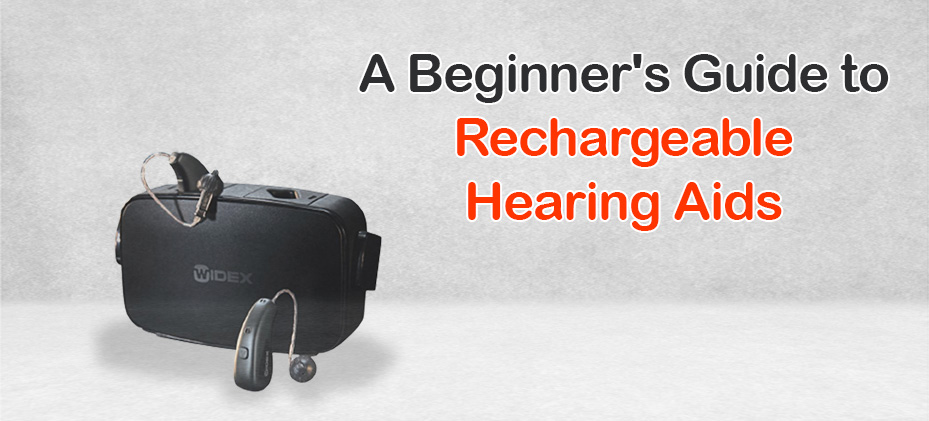
Rechargeable hearing aids are advanced auditory devices equipped with built-in or removable lithium-ion battery technology. Instead of constantly buying and replacing tiny button batteries, users simply place their devices into a charging dock or connect them via a USB cable—similar to charging a modern smartphone.
How Do Rechargeable Hearing Aids Work?
These devices amplify sound with precision while drawing power from high-capacity rechargeable cells. A full charge—typically achieved overnight in 3 to 4 hours—delivers up to 24 hours or more of continuous use, even when streaming audio or taking calls via Bluetooth.
Key Benefits of Rechargeable Models
- Maximum Convenience: Eliminates the struggle of handling miniature disposable batteries, making them ideal for individuals with dexterity or vision challenges.
- Cost Efficiency: Saves money over time by reducing the need to purchase disposable battery packs continuously.
- Eco-Friendly: Significantly decreases toxic electronic waste and battery disposal in landfills.
- Advanced Connectivity: Seamlessly pairs with smartphones, televisions, and external audio sources without draining battery power rapidly.
Types of Rechargeable Hearing Aids
When selecting a rechargeable system, audiologists generally offer two primary configurations:
- Built-in Lithium-ion Batteries: Sealed inside the device, offering smaller form factors, better moisture resistance, and sleek aesthetic designs.
- Removable Rechargeable Batteries: Feature a battery compartment that allows easy cell swapping, giving users flexibility if power access is limited during travel.
Choosing the Right Device
To find the best fit for your lifestyle and hearing profile, consider the following parameters:
- Battery Life & Charging Time: Look for devices providing at least 24 hours of operation on a quick 3-to-4-hour charge cycle.
- Charging Accessories: Portable travel cases with integrated power banks allow charging on the go.
- Smart Features: Check for Bluetooth streaming, directional microphones, and dynamic noise reduction. Explore options on our Audiology Services page.
Maintenance and Care Tips
Proper maintenance ensures your rechargeable hearing devices perform reliably for years:
- Clean daily using a soft, dry micro-fiber cloth or designated cleaning brush.
- Keep devices away from extreme heat, moisture, and direct sunlight.
- Store in a cool, dry charging case when not in active use.
- Turn off the devices when outside the charger to preserve battery cell health.
- Follow manufacturer specifications for regular charging cycles.
Conclusion
Rechargeable hearing aids offer a modern, hassle-free solution for managing hearing loss. At Ambulkar Speech and Hearing Clinic in Pune, our expert audiologists guide you through professional hearing evaluations, device selection, fitting, and ongoing support to ensure clear sound and maximum comfort.