Tinnitus is the sensation of hearing sound/noises/beep/tone/pulse like sound/heartbeat like sound in your ear or head when there is no external sound. Commonly described as ringing in the ear and those living with the condition may have to endure a ringing, buzzing, hissing, whistling or other noise. The sensation can be constant or intermittent and it can vary in volume.
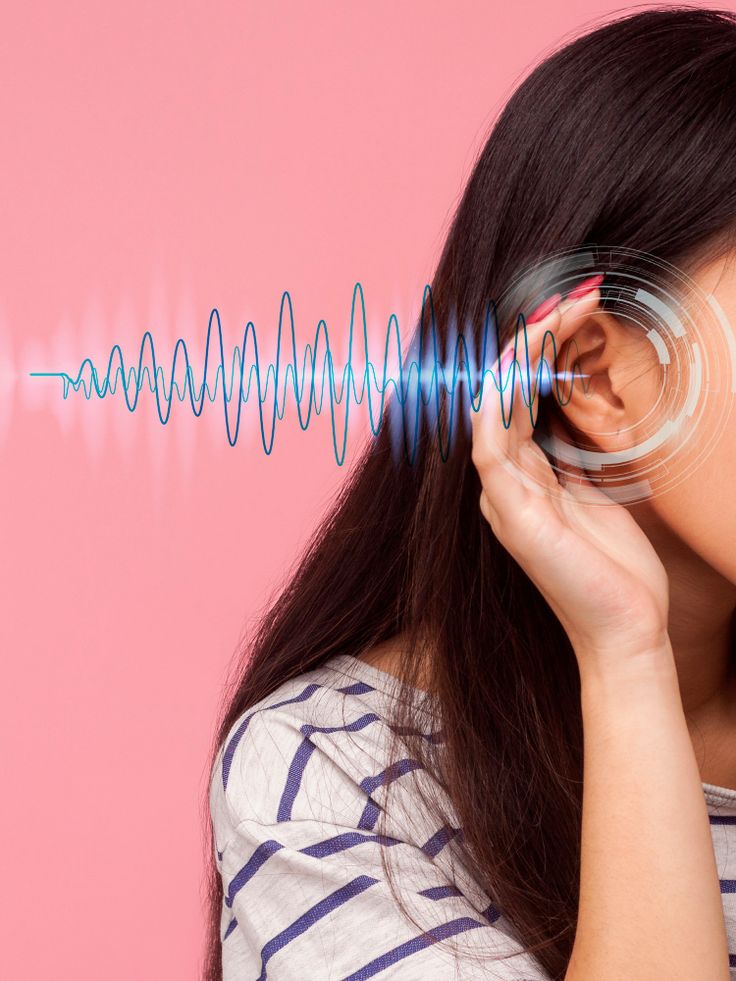
It is not a disease or illness; it is a symptom generated within the auditory system and usually caused by an underlying condition. The noise may be in one or both ears, or it may feel like it is in the head. It is difficult to pinpoint its exact location. It may be low, medium or high pitched and can be heard as a single noise or as multiple components.
Occasionally people have tinnitus that can seem like a familiar tune or song. This is known as musical tinnitus or musical hallucination. Some people have tinnitus which has a beat in time with their heartbeat. This is called pulsatile tinnitus.
It’s hard to pinpoint the exact cause of tinnitus, but it’s generally agreed that it results from some type of change, either mental or physical, but not necessarily related to the ear.
The delicate hair cells in the inner ear may reduce in number due to ‘wear and tear’ as people age. This gradual change can cause hearing loss, which makes tinnitus more noticeable as it is not masked by external sound.
Hair cells can be damaged by exposure to loud noise over prolonged periods, which could lead to tinnitus.
It is not always clear whether stress causes the onset of tinnitus. However, tinnitus may be more noticeable if you are anxious or stressed.
Middle ear infections can cause hearing loss and tinnitus. Symptoms will normally be temporary, but it is important to have the underlying infection treated by a general physician.
Depending on the individual, ear wax can build-up over time and cause tinnitus.
A rare disorder affecting the inner ear, Ménière's disease can cause tinnitus, hearing loss and pressure in the inner ear, but it is usually accompanied by vertigo.
Glue ear is a condition mainly affecting children also known as otitis media with effusion. It causes a buildup of fluid in the inner ear that usually heals over time without treatment.
Otosclerosis is the most common cause of progressive deafness in young adults.
A perforated eardrum can be caused by infections, changes in air pressure (such as when flying or scuba diving) or exposure to a loud noise. It’s often accompanied by extreme pain in the ear.
Less commonly, tinnitus may develop as a result of a head injury, changes in blood flow (eg anaemia, high blood pressure), and reactions to certain medications, acoustic neuroma (a rare non-cancerous growth that affects the hearing nerve), diabetes, and thyroid disorders.
1. This is a very structured approach to managing tinnitus. Basically, TRT assumes that the tinnitus has been prioritized as an important signal.
2. TRT uses sounds at a particular level to try to reduce the priority of the tinnitus so that you no longer hear it. It is based on the idea that we can get used to sounds, e.g. the sound of the fridge or air conditioner, so we can also get used to this sound of tinnitus.
3. The process of getting used to the tinnitus sound is called habituation.
4. TRT uses sound generators and counseling to attempt to retrain how the brain processes sound so that you habituate to the tinnitus.
5. Most people working in the tinnitus field will use elements of TRT but the strict method is not frequently used because there is limited evidence for its effectiveness.
1. People exposed to loud noises in day to day life
2. People exposed to music
3. People working with loud machinery
4. People exposed to loud bangs
5. People who listen to their headphones
Our use of advanced technology and equipment ensures precise diagnoses and successful treatments. Our hearing aids are top-notch and crafted for optimal comfort and performance.
Ambulkar Speech and Hearing Clinic in Pune offers a wide range of services across Swargate, Parvati, MarketYard, Camp, Dhankwadi, and Satara Road.
We provide consultation services, as well as custom-made hearing aids and auditory rehabilitation programs. This includes assessments for Audiology and Speech-Language Pathology, Otoscopy, OAE, BERA, Pure Tone Audiometery, Impedance Audiometery, Hearing Aid, Tinnitus, Ear Mould Impression, and Speech Therapy.
We also offer digital hearing aids that ensure a high-quality sound experience without any interference from background noise or feedback.
Speech & Hearing Specialist
To book an appointment with Dr. Avichal Ambulkar at Ambulkar Speech and Hearing Clinic in Pune, call 9323815012 today!