An otoscope—also known as an auriscope—is a essential handheld medical instrument used by audiologists, ENT specialists, and primary care physicians to visually examine the ear canal, middle ear, and eardrum (tympanic membrane).
Do I Need an Otoscopy?
Otoscopy is frequently recommended for individuals who have experienced head trauma, suffer from recurring ear infections, or suffer from ear pain. An otoscopy is also routine prior to any comprehensive hearing assessment. It allows audiologists to check for physical blockages—such as excess earwax, fluid accumulation, or tissue swelling—that could impact the accuracy of hearing test results.
What Happens During an Otoscopy?
During the examination, your clinician will first visually inspect the outer ear for signs of irritation, inflammation, or discharge. You may also be asked to gently stretch your facial or neck muscles to observe if movement triggers ear pain.
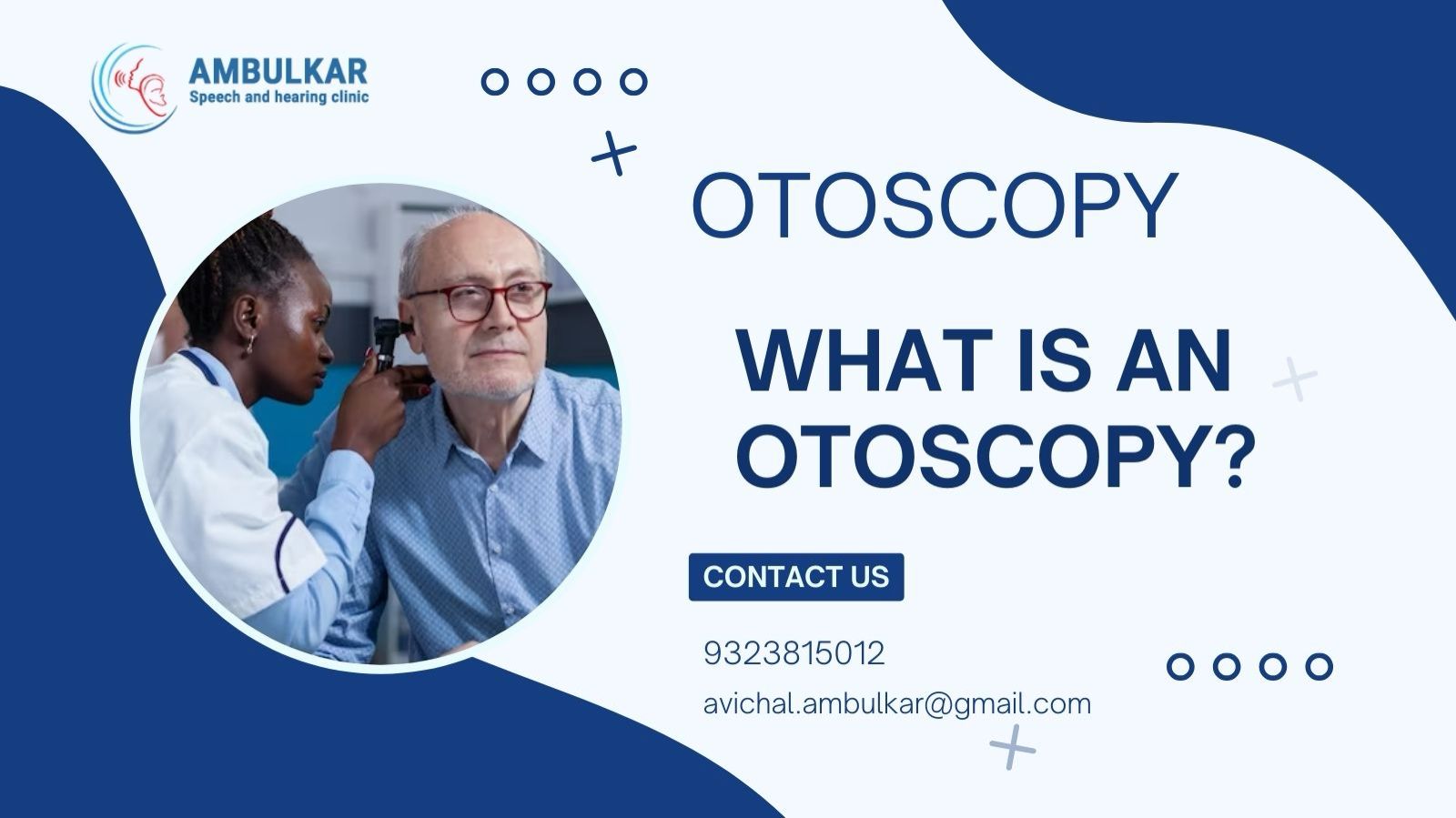
Next, the clinician gently pulls the outer ear upward and backward to straighten the ear canal. A speculum tip attached to the illuminated, magnifying otoscope is then inserted into the canal to view the middle ear structure and eardrum clearly.
Risks and Possible Complications
Otoscopy is a safe and minimally invasive procedure. However, if your ear canal is currently inflamed or infected, you may experience minor discomfort. While very rare, slight irritation or accidental puncture of the ear canal is possible. Because the inner ear mechanisms closely relate to balance, some individuals may occasionally experience brief dizziness, lightheadedness, or slight nausea during or after the examination.
Understanding Your Otoscopy Results
Because otoscopy provides an immediate visual assessment, your audiologist or physician can explain the findings right away. They can immediately detect redness, inflammation, fluid build-up, earwax impaction, or foreign objects. If an infection is identified, medical treatment or antibiotics may be advised. Safely removing wax or debris often leads to instant improvements in hearing comfort.
Conclusion
Otoscopy serves as a fundamental pillar in ear health diagnostics, providing essential insights into the condition of the ear canal and tympanic membrane. Performing a proper otoscopic evaluation ensures accurate diagnoses, guiding effective treatment plans and improved outcomes for overall auditory health. Advanced tools like video otoscopy continue to enhance visual diagnostic capabilities.
See Clearly, Hear Clearly: Experience expert otoscopy and hearing assessments at Ambulkar Speech and Hearing Clinic. Contact us today to schedule your consultation!