Pure tone audiometry evaluates the ability of a person to hear across different frequencies. In this post, we’ll discuss when and why you need to schedule an appointment with a specialist and ask for a comprehensive hearing test.
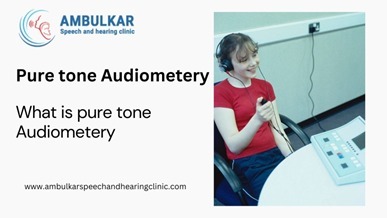
Pure Tone Hearing Tests: The Gold Standard for Diagnosis
Pure tone hearing tests use single-frequency tones to measure a person’s ability to hear across the entire audible spectrum. An audiometer is a calibrated device used to record this subjective measurement.
The audiometer plots the resulting data on an audiogram, determining whether hearing loss stems from sound transmission issues in the middle ear (conductive) or damage within the inner ear or nerve pathways (sensorineural), guiding audiologists toward the optimal treatment plan.
Types of Pure Tone Hearing Assessments
1. Threshold Hearing Tests: These measure an individual’s ability to detect sound at specific frequencies and volumes. Headphones deliver tones to establish the ‘auditory threshold’—the quietest sound level the patient can perceive.
2. High-Frequency (Supraliminal) Tests: Conducted in soundproof acoustic booths lined with sound-absorbing materials to prevent noise reflection, these tests evaluate auditory fatigue and sound tolerance levels above the base hearing threshold.
Classification of Hearing Loss Levels
Pure tone audiometry measures hearing thresholds in decibels of Hearing Level (dB HL) relative to standardized norms (0 dB HL):
- Normal Hearing: Threshold under 20 dB HL
- Slight / Mild Hearing Loss: 20 – 40 dB HL
- Moderate Hearing Loss: 40 – 70 dB HL
- Severe Hearing Loss: 70 – 90 dB HL
- Profound Hearing Loss: 90 – 120 dB HL
- Cophosis or Anacusis (Total Deafness): In excess of 120 dB HL
When Should You Get a Pure Tone Hearing Test?
If you notice changes in your hearing clarity, getting tested promptly helps prevent further difficulties and ensures early management. Key times to schedule a test include:
- Suspected Hearing Loss: At the first sign of difficulty understanding speech or hearing high-pitched sounds.
- Individuals Over 60: Age-related hearing loss (Presbycusis) develops gradually. Routine screening every 3 years is recommended for seniors.
- Recovery from Certain Illnesses: Conditions like meningitis, severe viral infections, or ototoxic treatments can affect hearing sensitivity.
- Occupational & Annual Screenings: Health evaluations provided in workplace settings help identify noise-induced hearing changes early.
Conclusion
Pure tone audiometry remains an essential diagnostic tool for determining auditory threshold levels across various frequencies. Presenting single-frequency tones at varying intensities gives specialists the clarity needed to personalize hearing care solutions effectively.
Discover Better Hearing. Reach out to Ambulkar Speech and Hearing Clinic today to book your consultation and test!