Communication is a fundamental aspect of human interaction. It is how we connect, learn, and navigate our daily lives. However, for many individuals, speech and hearing disorders can pose significant barriers to expressing thoughts and understanding others. Implementing early intervention strategies transforms outcomes—empowering children and adults to build strong communication skills right from the start.
Understanding Speech and Hearing Disorders
Speech and hearing difficulties can stem from genetic factors, developmental delays, or acquired medical conditions. Understanding the distinction between these conditions is essential for seeking the right care:
- Speech Disorders: Impact sound production, articulation, fluency (such as stuttering), and oral motor coordination.
- Hearing Disorders: Involve difficulty perceiving or processing auditory signals, ranging from conductive loss to sensorineural hearing loss and auditory processing disorders. Learn more on our Audiology Services page.
The Importance of Early Identification
Timely identification is the critical first step. Parents, educators, and healthcare providers should watch for early signs of communication challenges, including limited vocabulary, delayed speech milestones, difficulty following simple directions, or frequent ear infections. Recognizing these indicators early allows for swift clinical evaluations and personalized therapy plans.
Key Benefits of Early Intervention
- Enhanced Language Acquisition: Addressing speech sound and hearing impairments during formative years enables children to build age-appropriate vocabulary, grammar, and articulation skills.
- Improved Academic Performance: Strong communication is the foundation of learning. Early support ensures children can follow classroom instructions, participate in group reading, and keep pace with academic benchmarks.
- Social and Emotional Well-Being: Overcoming communication hurdles reduces social frustration and isolation, boosting self-confidence and peer interactions.
- Preventing Secondary Complications: Untreated speech and hearing challenges can contribute to behavioral issues or learning disabilities later on. Early support minimizes these downstream risks.
A Collaborative, Multidisciplinary Approach
Effective early intervention requires a coordinated care team. Audiologists, Speech-Language Pathologists (SLPs), pediatricians, psychologists, educators, and family members work together to design and refine tailored rehabilitation strategies.
Intervention Strategies & Care Pathways
Depending on individual needs, clinical intervention may incorporate:
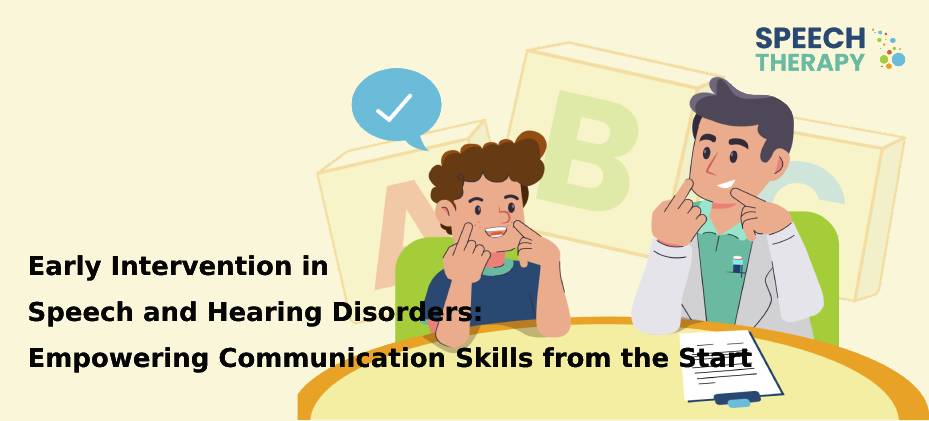
- Pediatric Speech Therapy: Targeted exercises to enhance sound articulation, language processing, and fluency.
- Hearing Technology & Hearing Aids: Digital hearing aids, assistive listening devices, or cochlear implants fitted by experienced audiologists.
- Parent Guidance & Training: Equipping families with practical home-based techniques to reinforce speech development during daily routines.
- Classroom Accommodations: Partnering with educators to ensure supportive classroom seating and sound field amplification.
Empowering Communication at Ambulkar Clinic
At Ambulkar Speech and Hearing Clinic in Pune, we believe that every individual deserves a clear voice. Our team provides compassionate, evidence-based care to guide families through assessment, diagnostic testing, and comprehensive speech-language therapy. Taking early action ensures your child has the tools needed to communicate with confidence.