Hearing plays an important role in how we communicate, connect with loved ones, and experience the world around us. When hearing difficulties begin to affect daily life, getting the right evaluation and hearing support can make a meaningful difference. Choosing a reliable hearing care facility is an important first step, especially when you are looking for the Best Audiologist in pune to guide you through hearing tests and hearing aid fitting.
At Ambulkar Speech and Hearing Clinic, we understand that every person's hearing needs are different. A hearing aid is not simply a device that amplifies sound. It needs to be selected, adjusted, and fitted according to your hearing level, lifestyle, comfort, and communication requirements.
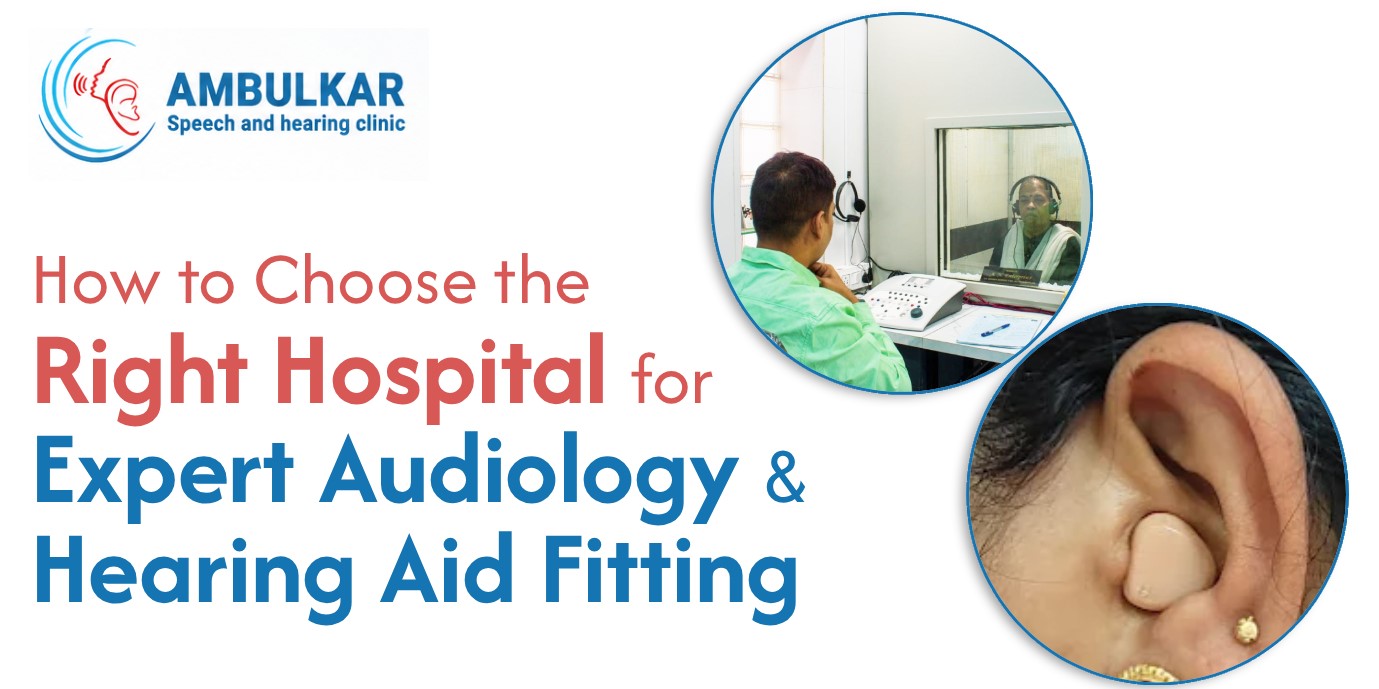
Why Is Professional Audiology Care Important?
Audiology involves the assessment, diagnosis, and management of hearing and balance-related concerns. A qualified audiologist can help identify the type and extent of hearing difficulty and recommend suitable next steps.
Hearing problems may develop gradually or occur suddenly. Some people notice difficulty understanding conversations in noisy places, while others struggle to hear television, phone calls, or soft voices.
A professional hearing assessment helps provide a clearer understanding of your hearing health instead of relying only on personal assumptions.
What Should You Look for in a Hearing Care Hospital?
1. Qualified and Experienced Audiologists
The experience and qualifications of the audiology team matter when choosing a hearing care provider. A trained professional should be able to conduct appropriate hearing assessments, explain the results, and guide you through available options.
Look for a clinic where your concerns are heard and your treatment recommendations are explained clearly.
2. Comprehensive Hearing Tests
A proper hearing evaluation is an important part of selecting the right hearing aid. Depending on your age, symptoms, and hearing concerns, the audiologist may recommend different tests.
These may include:
- Pure Tone Audiometry
- Impedance Audiometry
- OAE testing
- BERA testing
- Speech audiometry
- Other assessments when required
The choice of tests depends on the individual's condition and clinical requirements.
3. Personalized Hearing Aid Recommendations
Not every hearing aid is suitable for every person. Your hearing level, lifestyle, budget, communication needs, and comfort preferences should be considered before selecting a device.
A good hearing care professional will explain the available options and help you understand the differences between hearing aid features, styles, and technologies.
Understanding the Hearing Aid Fitting Process
-
Step 1: Hearing Assessment
The process generally begins with a hearing evaluation to understand your hearing levels and identify the type of hearing difficulty.
Step 2: Device Selection
Based on the assessment and your daily requirements, the audiologist can recommend suitable hearing aid options.
Step 3: Fitting and Adjustment
Hearing aid fitting involves adjusting the device to provide appropriate sound levels and comfort. The settings may need to be fine-tuned according to your feedback and hearing needs.
Step 4: Follow-Up Support
Adjusting to a hearing aid can take time. Follow-up appointments allow the audiologist to review your experience, address concerns, and make adjustments when required.
Why Comfort and Aftercare Matter
A hearing aid should fit comfortably and support communication in situations that are important to you. Some people may need additional guidance while learning how to use and maintain their device.
Ask the hearing care provider about cleaning, battery or charging requirements, maintenance, warranty details, and follow-up appointments. Ongoing support can make the hearing aid experience more convenient.
When Should You Visit a Hearing Care Clinic?
Consider scheduling a professional hearing assessment if you notice:
- Difficulty following conversations
- Frequently increasing the television volume
- Trouble hearing in crowded places
- Repeatedly asking people to speak again
- Ringing or other sounds in your ears
- Concerns about a child's speech or hearing development
If you experience sudden hearing loss, seek prompt medical evaluation rather than delaying care.
Why Choose Ambulkar Speech and Hearing Clinic?
At Ambulkar Speech and Hearing Clinic, our focus is on understanding individual hearing and communication needs. We provide audiology-related assessment and hearing care guidance to help patients explore suitable options.
When searching for a Hearing Aid clinic in pune, consider the quality of hearing assessments, professional expertise, fitting process, device options, and aftercare support.
Choosing the Best Audiologist in pune should involve more than comparing services or prices. The right professional should explain your results clearly and help you understand the options relevant to your hearing requirements.
Conclusion
Choosing the right hospital or hearing care clinic is an important step toward managing hearing difficulties. Qualified audiologists, accurate assessments, personalized device selection, comfortable fitting, and regular follow-up all contribute to a better hearing care experience.
If you are considering hearing aids, visit a trusted Hearing Aid clinic in pune for professional guidance and an assessment suited to your needs. With the right support, hearing care can become a more informed and manageable part of your everyday life.
Frequently Asked Questions (FAQs)
A hearing test helps identify your hearing levels and supports the selection and adjustment of a suitable hearing aid.
The duration depends on the device, assessment requirements, and adjustments needed. Your audiologist will guide you through the process.
Yes. Hearing aids may require adjustments based on your comfort, hearing needs, and experience in different listening environments.
Follow-up frequency depends on your hearing condition, device, and individual requirements. Your audiologist can recommend an appropriate schedule.
Ask about audiologist qualifications, hearing tests, device options, fitting procedures, aftercare, maintenance, and warranty support.